Choosing the right size HVAC system installation for your Spring Lake Park, MN, home is one of the most important decisions you will make as a homeowner. Get the size wrong, and you could spend years dealing with high energy bills, poor comfort, and early equipment failure. This guide explains exactly how installers size a system and what factors matter most for homes in the Twin Cities metro area.
Why HVAC System Size Matters So Much
Sizing affects every part of how well your system performs. A unit that is too large or too small will cause problems no matter how high-quality the equipment is.
An oversized system is a common mistake. It heats or cools your home so fast that it shuts off before it can properly remove humidity. This short-cycling behavior puts extra stress on the equipment and can shorten its lifespan. It also leaves rooms feeling clammy and uneven in the summer.
An undersized system has the opposite problem. It runs almost continuously trying to keep up, drives up your energy costs, and still may never fully heat or cool your home on extreme days. In Spring Lake Park, MN, where January lows can drop well below zero and summer humidity rises in July and August, neither scenario is acceptable. Getting a properly sized HVAC system installation from the start protects your home and your investment.
What Is a Manual J Load Calculation?
A load calculation is the industry-standard method used to determine the right system size for your home. It takes every relevant factor into account and produces a precise output in BTUs, which tells an installer exactly how much heating and cooling capacity your home requires.
This is not a guess or a rule of thumb. A proper load calculation considers square footage, ceiling height, window size and orientation, insulation levels, air leakage, the number of people living in the home, and local climate data specific to Anoka County and the greater Twin Cities region. Skipping this step and relying on square footage alone is a shortcut that often leads to oversized equipment. Any reputable HVAC company will insist on completing this step before recommending equipment.
Square Footage Is Only Part of the Picture
Many homeowners assume that square footage is all that matters. It is an important starting point, but it tells only a portion of the story.
A sprawling 2,000-square-foot rambler in Fridley will have very different heating needs than a two-story 2,000-square-foot home in Mounds View with poorly insulated walls. The rambler has more exterior wall and roof surface exposed to cold air, which means greater heat loss in winter.
Insulation and Air Sealing
Insulation quality has a major impact on sizing. Older homes in Spring Lake Park, MN, built before energy codes became strict often have minimal attic insulation and little to no wall insulation. These homes lose heat quickly in cold weather and gain heat fast in summer.
If your home has been upgraded with blown-in insulation or air sealing improvements, a qualified installer may be able to recommend a smaller, more efficient system than an older home of the same size would require.
Windows, Doors, and Solar Gain
Windows are one of the biggest sources of heat loss in winter and heat gain in summer. South- and west-facing windows in particular let in significant solar energy during the afternoon hours. Newer double- or triple-pane windows can reduce this load considerably.
The number, size, and placement of windows in your home all factor into a load calculation. A home with large south-facing picture windows in the living room may need additional cooling capacity to stay comfortable on hot summer afternoons.
Ductwork Condition and Layout
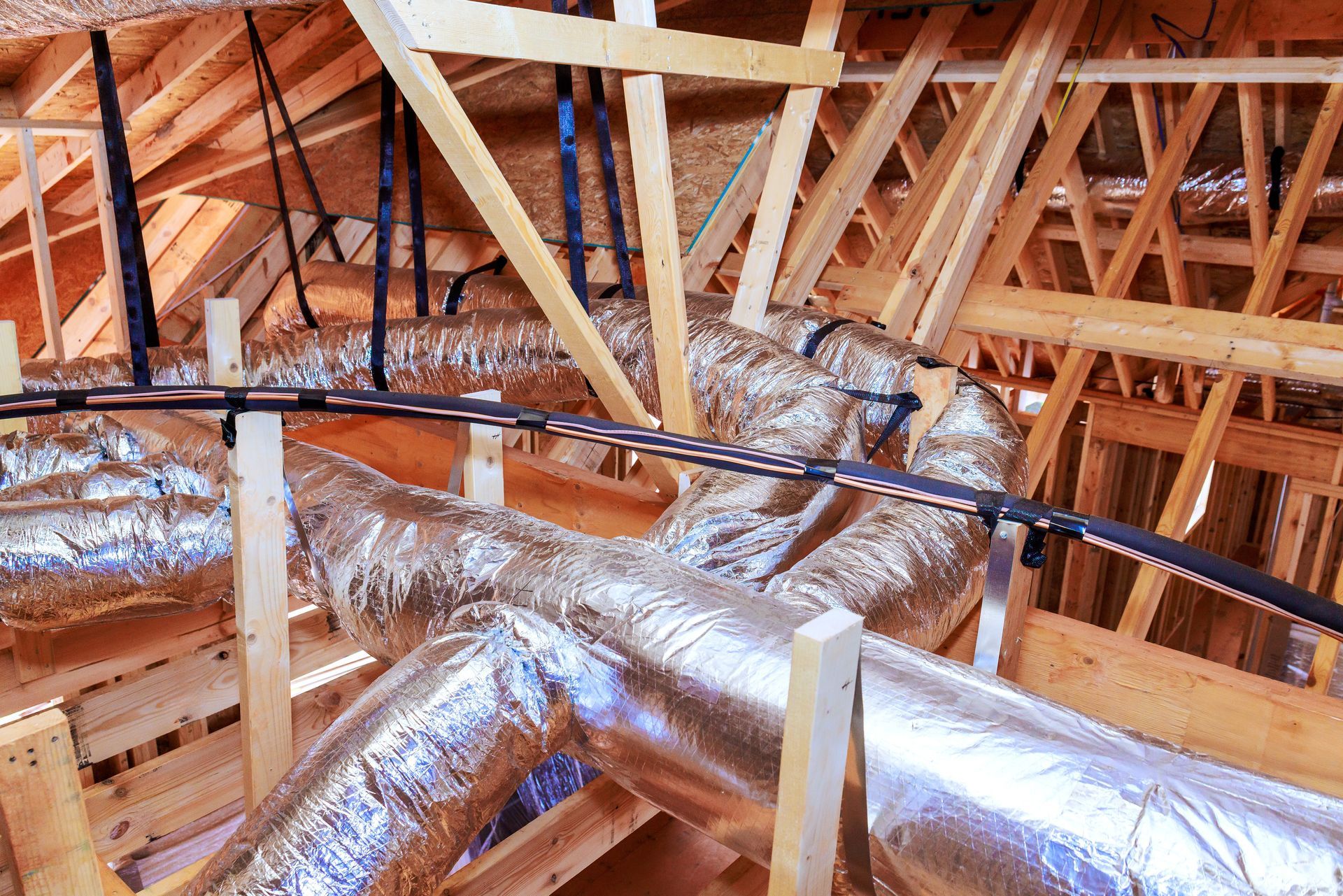
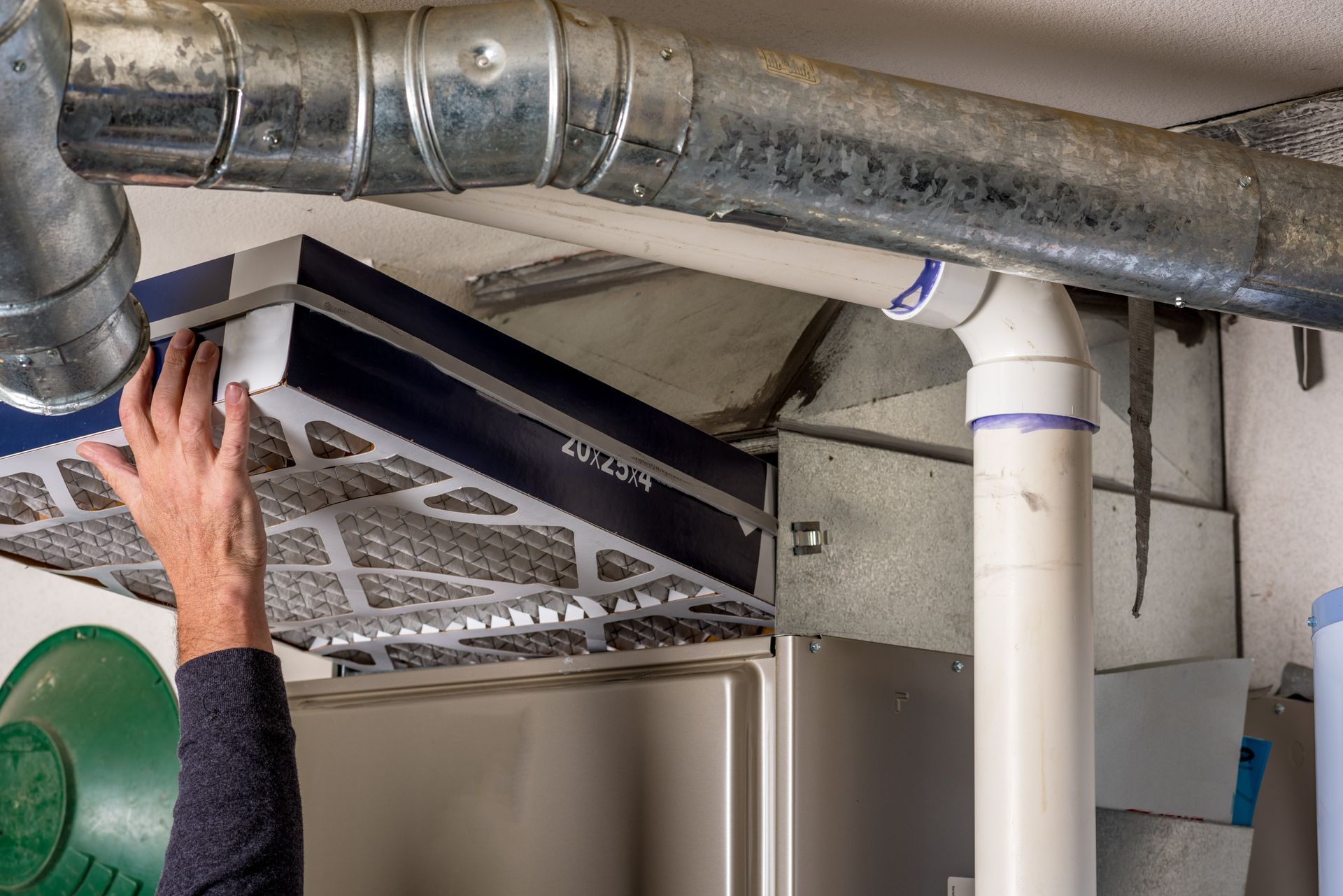
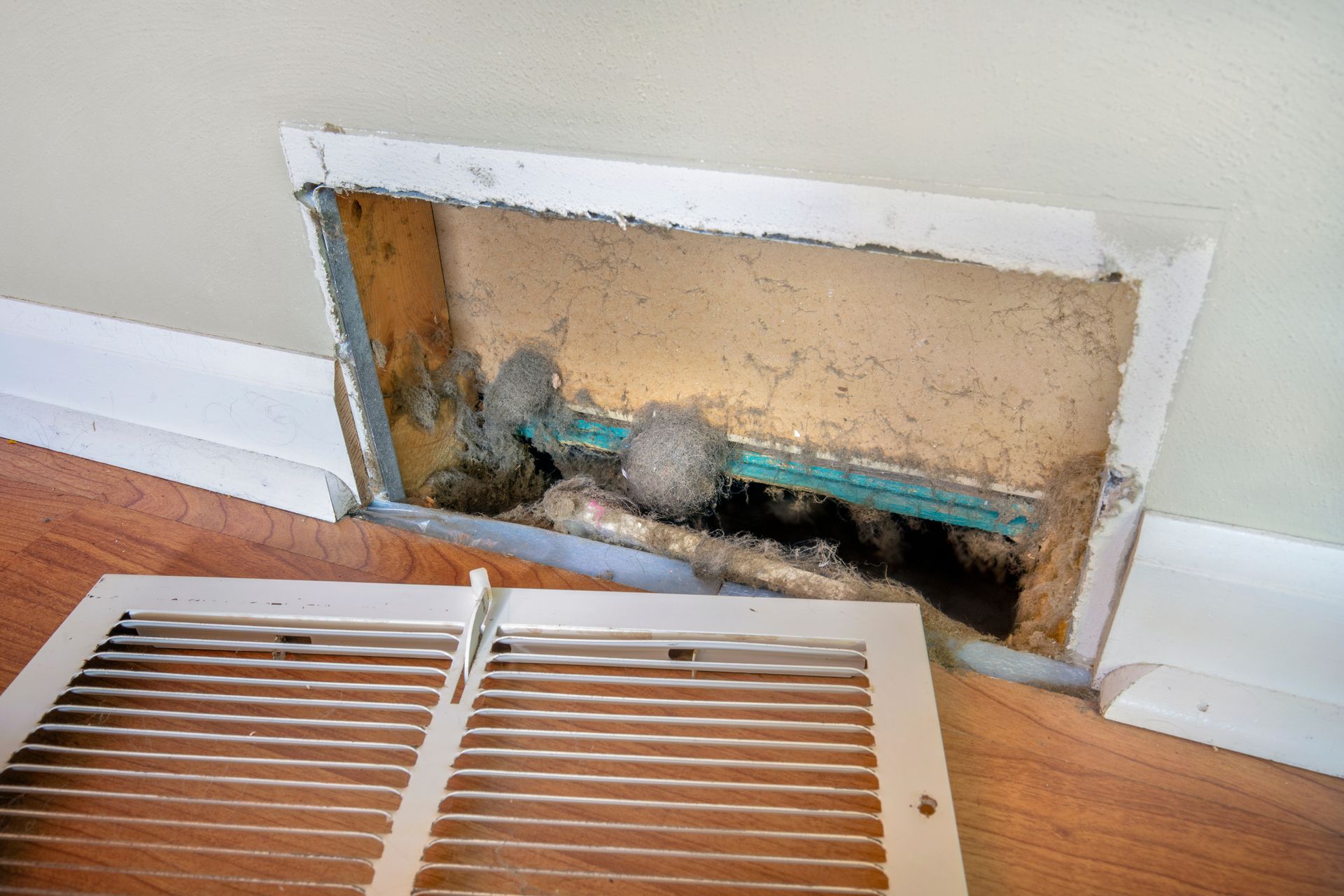
Your duct system plays a critical role in how efficiently a new unit delivers conditioned air. Leaky ducts can waste a significant portion of the energy your system produces before that air ever reaches the living space.
Before sizing a new system, a technician should inspect the existing ductwork for leaks, poor connections, and undersized runs. In some Spring Lake Park, MN, homes, particularly those built in the 1960s and 1970s, ductwork modifications may be recommended alongside
a new air conditioning system installation to ensure the investment performs as expected.
Local Climate Factors That Affect Sizing in Spring Lake Park
Spring Lake Park sits within Anoka County and experiences the full range of Minnesota's climate extremes. Winters regularly bring wind chills that push temperatures far below zero, and the heating season can run from October through April. Summer heat and humidity can arrive quickly and stress cooling equipment.
These conditions mean that heating loads for Spring Lake Park homes tend to be significant. Installers use local design temperatures, which are weather data points representing the coldest and hottest conditions your system should be able to handle, as a key input in the load calculation. Choosing the correct HVAC system installation for these local conditions is essential to year-round comfort.
Homes near wetlands or lower-lying areas around the Rum River watershed may also experience higher indoor humidity, which can influence the type and capacity of the cooling system recommended.
Why You Should Never Skip a Professional Assessment
Relying on a neighbor's system size or an online BTU calculator may seem convenient, but these shortcuts can lead to costly mistakes. A trained technician will measure your home, assess insulation, inspect ductwork, evaluate windows, and apply local climate data to arrive at the right recommendation. Scheduling a professional HVAC system installation assessment is the surest way to avoid undersized or oversized equipment.
The goal is a system that matches your specific home, not just an average home of similar size.
Get the Right HVAC System Installation for Your Spring Lake Park Home
When you are ready to move forward, the most important next step is scheduling a professional in-home assessment. Anderson Residential Heating & AC INC has served homeowners in Spring Lake Park, MN, and the surrounding Twin Cities area for decades, and the team can perform a proper load calculation to match the right equipment to your home's actual needs. Call
(763) 781-6511 or
contact us online to request your free quote. You can also read reviews and learn more at
Anderson Residential Heating & AC INC.


![Technician using a wrench to install an air conditioning system during]](https://irp.cdn-website.com/58cb0da8/dms3rep/multi/opt/AdobeStock_782803021-1920w.jpeg)